


Dr. Phil Duncan Showcases Mississippi Mud: A Natural History of the Blues at Clarksdale Film Festival
Dr. Phil Duncan Showcases Mississippi Mud: A Natural History of the Blues at Clarksdale Film Festival
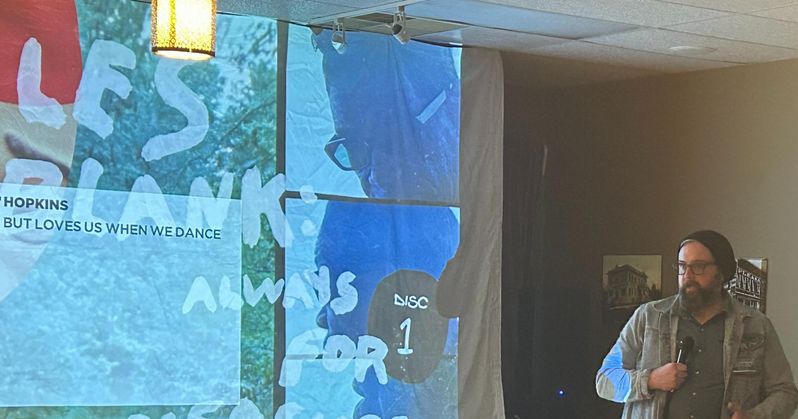
Dr. Phil Duncan recently had the honor of presenting his short film, Mississippi Mud: A Natural History of the Blues, at the 15th Annual Clarksdale Film and Music Festival in Clarksdale, Mississippi. The film, which was produced over the course of two years in the Mississippi Delta, has been making waves in the festival circuit and was recently selected for permanent inclusion in the Delta Blues Museum, Mississippi’s oldest music museum.
Exploring the Roots of the Blues
The documentary delves into the deep ties between blues music, the natural landscape, and the cultural heritage of the Mississippi Delta—where the genre was born. To craft an authentic and nuanced perspective, Duncan interviewed musicians, historians, river guides, and club managers, weaving together a narrative that honors the music’s origins.
Duncan also personally traveled through the Delta’s vast landscapes, often alone and in the sweltering July heat—to capture the region’s essence on film. One of the most profound moments in his journey was filmed at Graball Landing, a historic and deeply emotional site along the Tallahatchie River where Emmett Till’s body was recovered in 1955.
A Festival Homecoming
For Duncan, presenting Mississippi Mud at the Clarksdale Film and Music Festival was a homecoming of sorts. Many individuals who played a role in the film, whether as interviewees, advisors, or supporters, were in attendance for the screening.
"It was great to reconnect with folks that have become friends over the process of making this film and for us all to enjoy the finished film together," Duncan shared.
Adding to the excitement of the festival was the presence of Charlie Musselwhite, a legendary blues harmonica player and Clarksdale resident, who attended the screening and Q&A session.
A Journey Through the Heart of Blues Country
In addition to the festival, Duncan embraced the full musical experience of the Delta. He was accompanied by a good friend—an accomplished a drummer who had the opportunity to sit in with local bands at various clubs and juke joints along the way.
Reflecting on the experience, Duncan described the region’s significance:
"The Mississippi Delta is the cradle of all American music, and it pours out of everything down there. It's one of my favorite places on Earth."
With Mississippi Mud gaining recognition and finding a permanent home in the Delta Blues Museum, Duncan’s work continues to shine a light on the rich, complex history of blues music and its enduring connection to the land and people who created it.
