

Barry McNealy from the Birmingham Civil Rights Institute to Speak at EC.
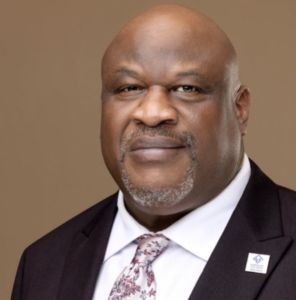
Barry McNealy is a civil rights historian who specializes in equipping the next generation of anti-racist activists and leaders with the narratives and lives that shaped the Civil Rights movement. The event is sponsored by Eureka Christian Church and the Philosophy and Religion Department at Eureka College.
This presentation is curated to trace the course that the United States took to live up to the ideals expressed in the Declaration of Independence in 1776. Citing key historical events and details in U.S. History from the ratification of the United States Constitution to the Emancipation Proclamation. Tracing the journey. With a timeline. Marking key elements. From the late 18th century to the late 19th century. Beginning with Abraham Lincoln's. Speech to the Young Men's Lyceum in 1838. Entitled “The perpetuation of our political institutions.” Lincoln warns of national division. Tracing the growth of the divide over human chattel slavery In a country founded on democratic ideals. Key events cited would be the be the: Three-Fifths Compromise, the Missouri Compromise, the Dred Scott decision, and the Compromise of 1850. The failure of these compromises opens the door to the furnace of the American Civil War. A war that will decide for all time whether or not a country in the words of Lincoln “Can be half slave and half free.” Towards a more perfect union highlights The progress made by The United States as it grew to be an example to the world.
Speaker Bio: Barry McNealy is a native of Birmingham, Alabama. He has taught high school social studies and history and is also an Adjunct Professor at the University of Alabama Birmingham. He serves in various capacities at the Birmingham Civil Rights Institute, including as the Historical Content Expert. He also works with their Legacy Youth Leadership Program. He is a classroom teacher, Civil Rights Movement expert, youth leader, and tour guide. In 2024, he received the Virginia V. Hamilton Award from the Alabama Historical Association. This award “honors those who have contributed to Alabama history in a manner that encourages mutual and better understanding among historians and the general public.”
